
AFFORDABLE apartmentS pontresina
competition . 2025
gRISONS. switzerland
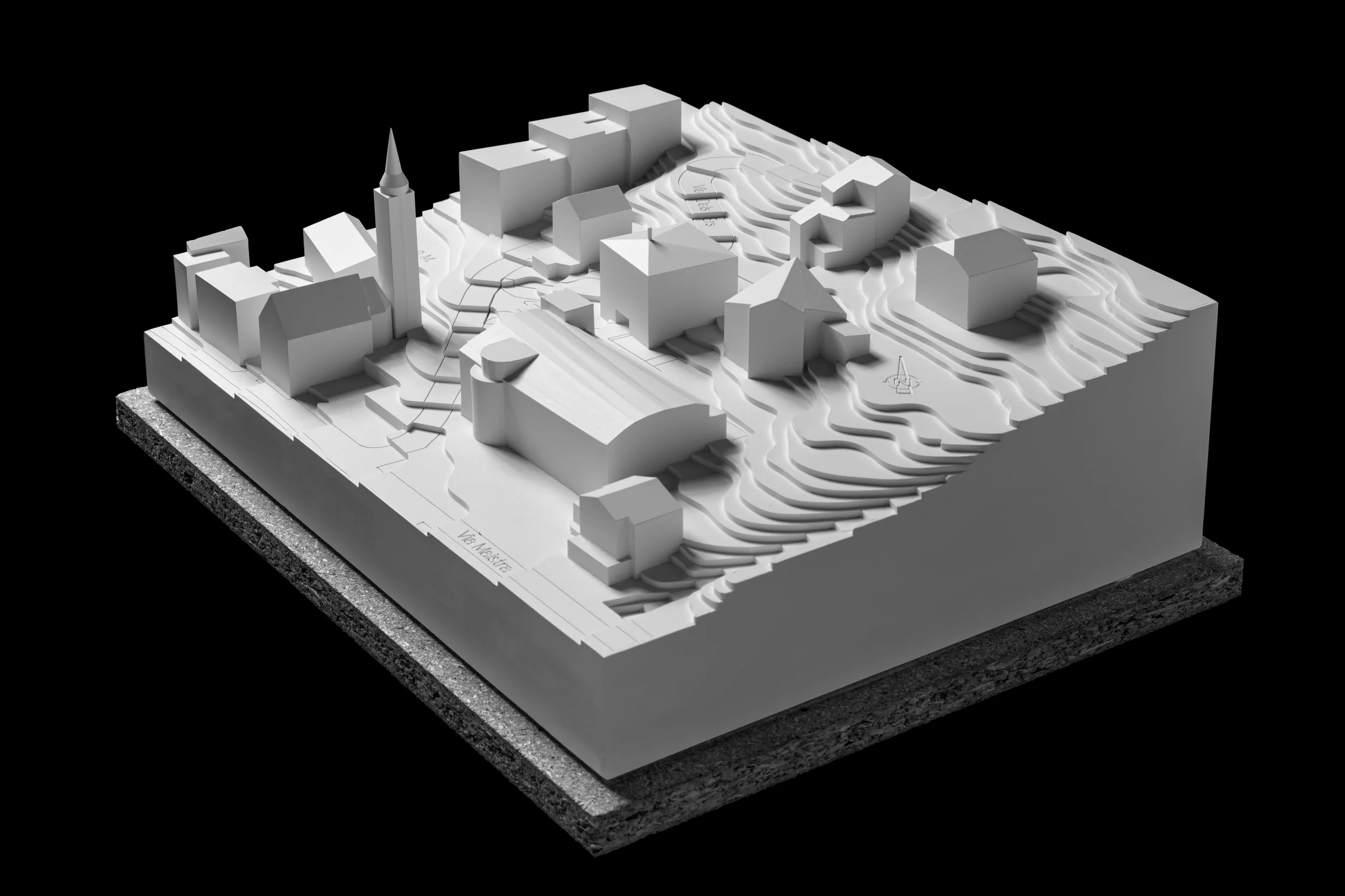
pontresina, in the Upper Engadine, has transformed from a rural muleteers’ village into a well-established tourist destination. Its historic center is characterized by compact, plastered buildings arranged along winding paths, narrow alleys, and small public squares. In contrast, larger hotel buildings, often occupying prominent sites, extend along the settlement’s linear form and illustrate the village’s architectural growth over time.
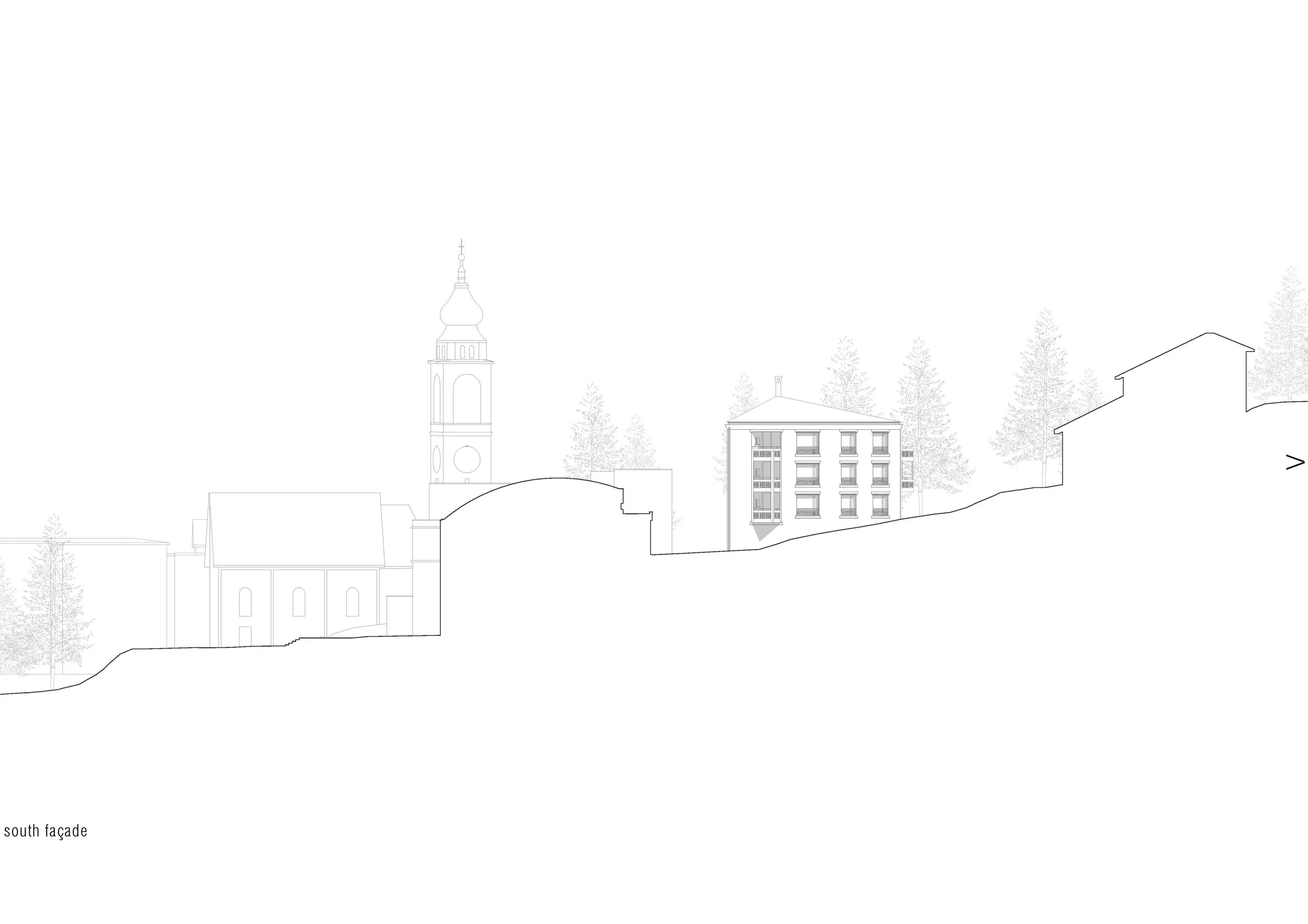
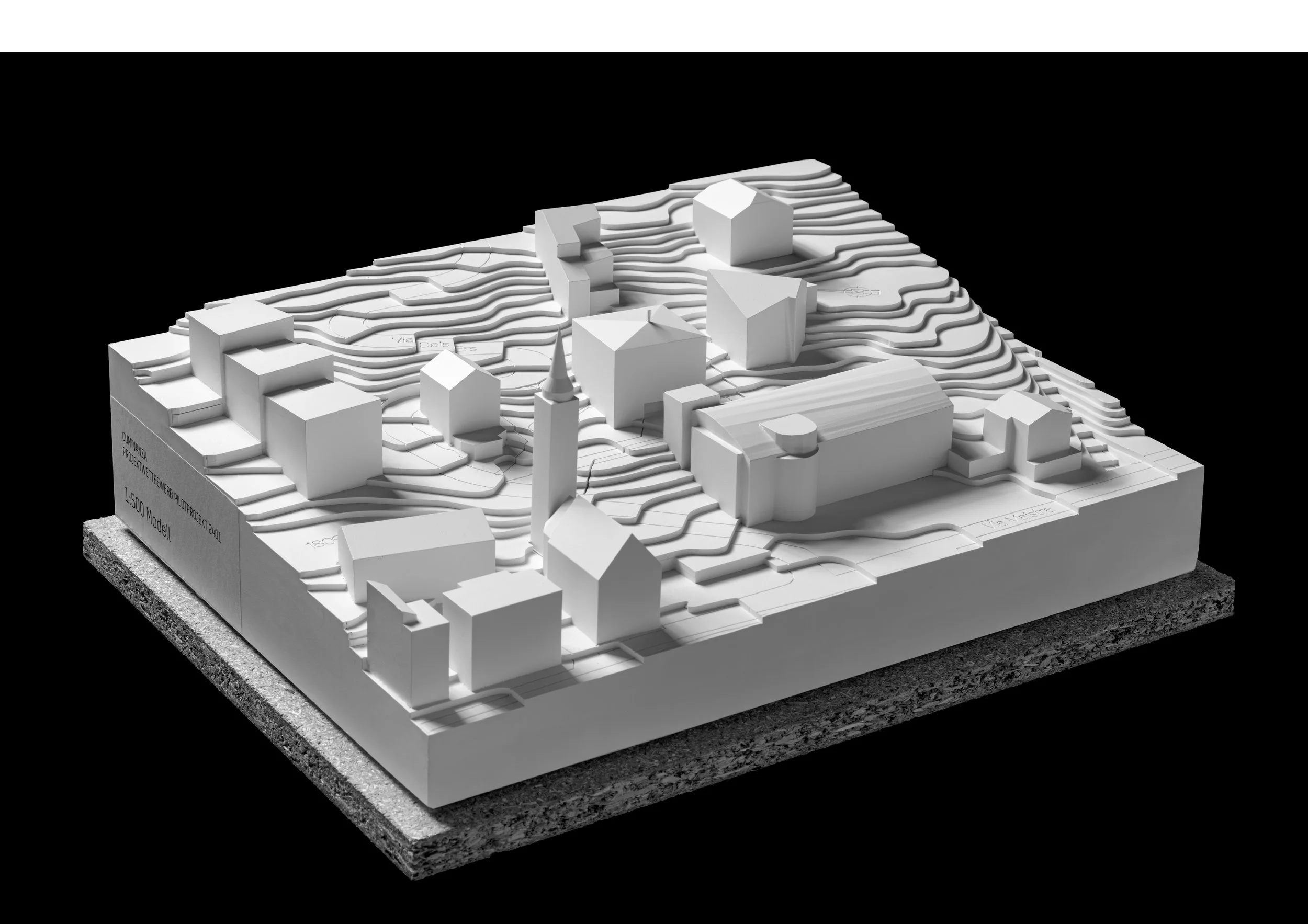
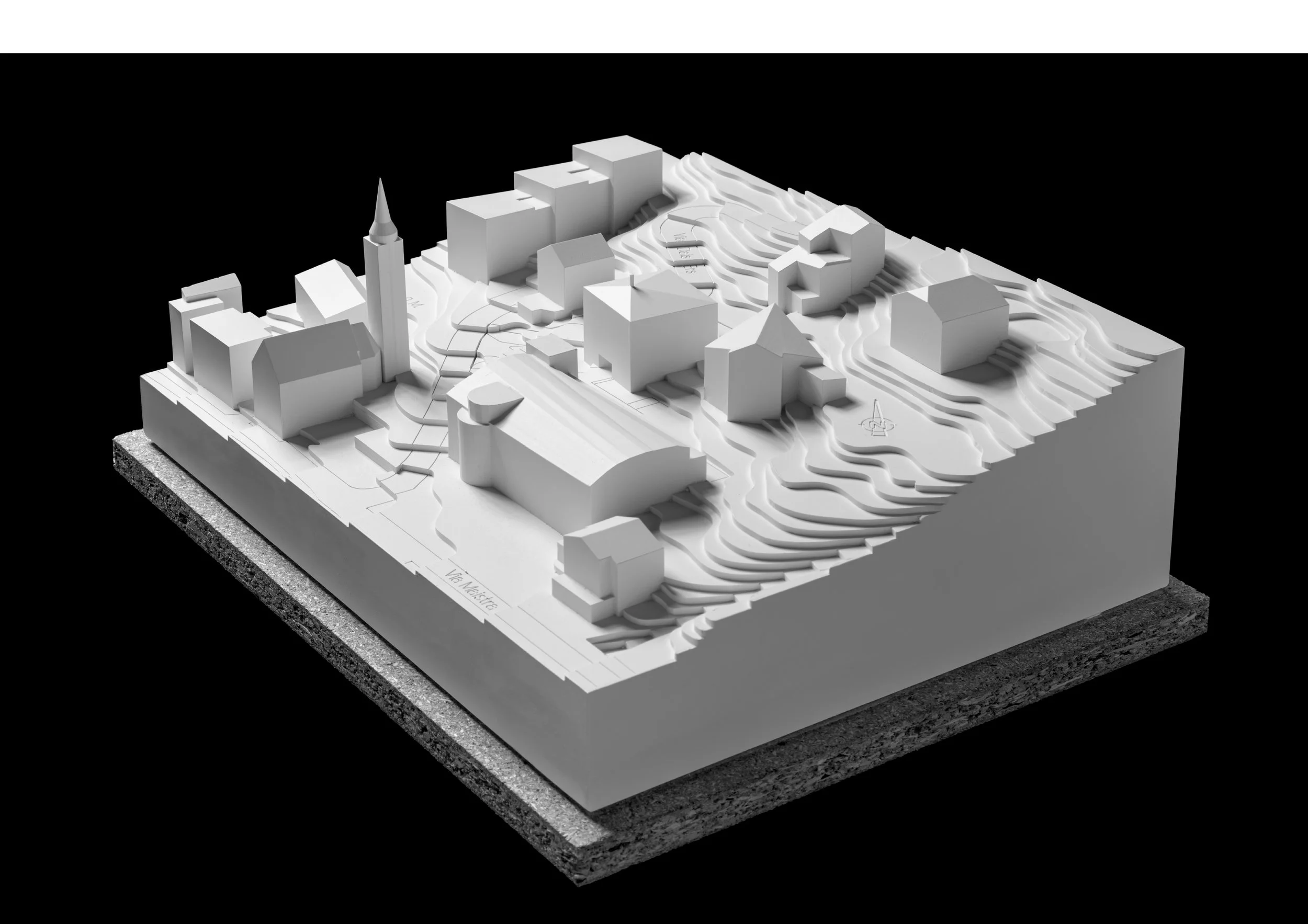
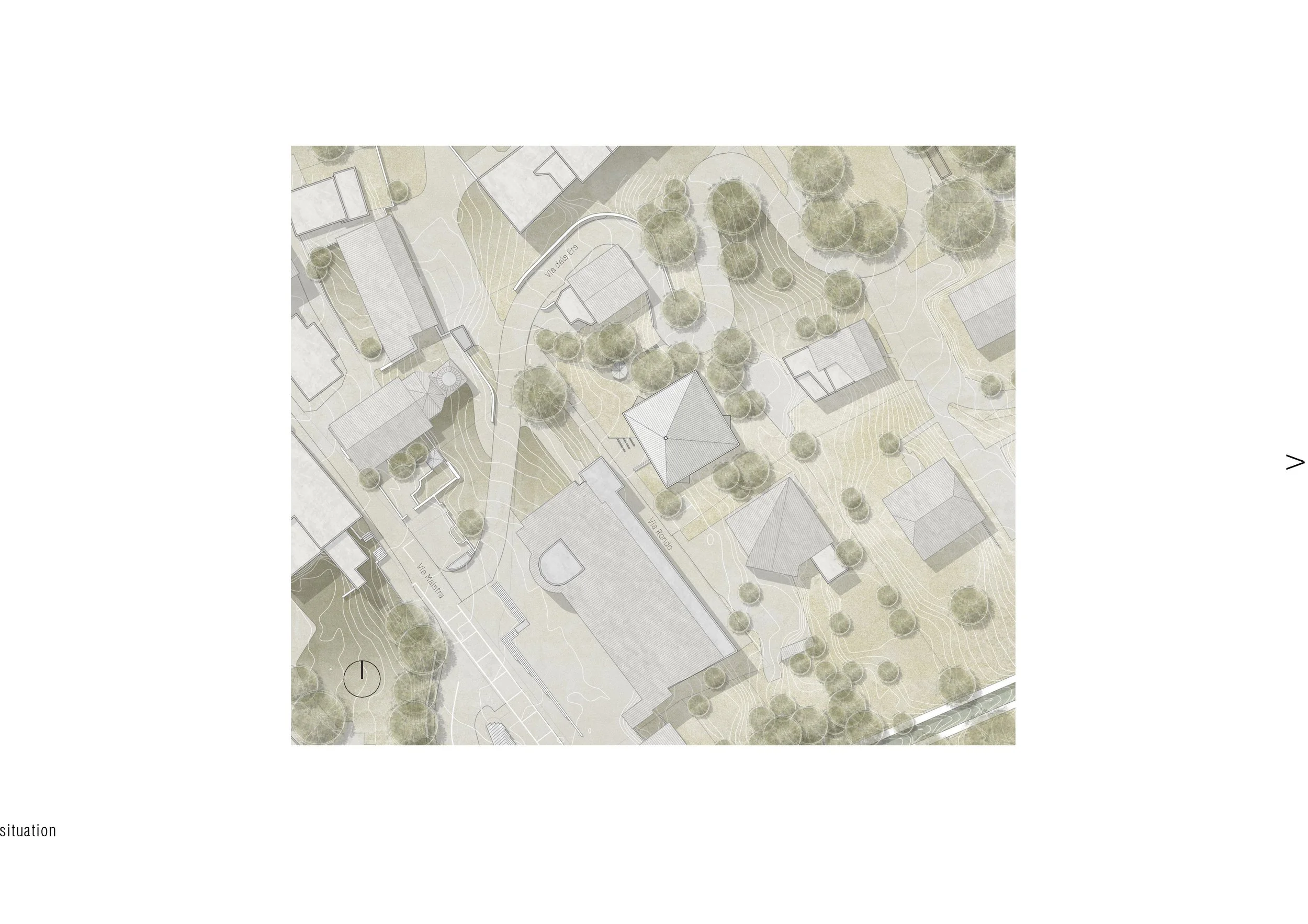
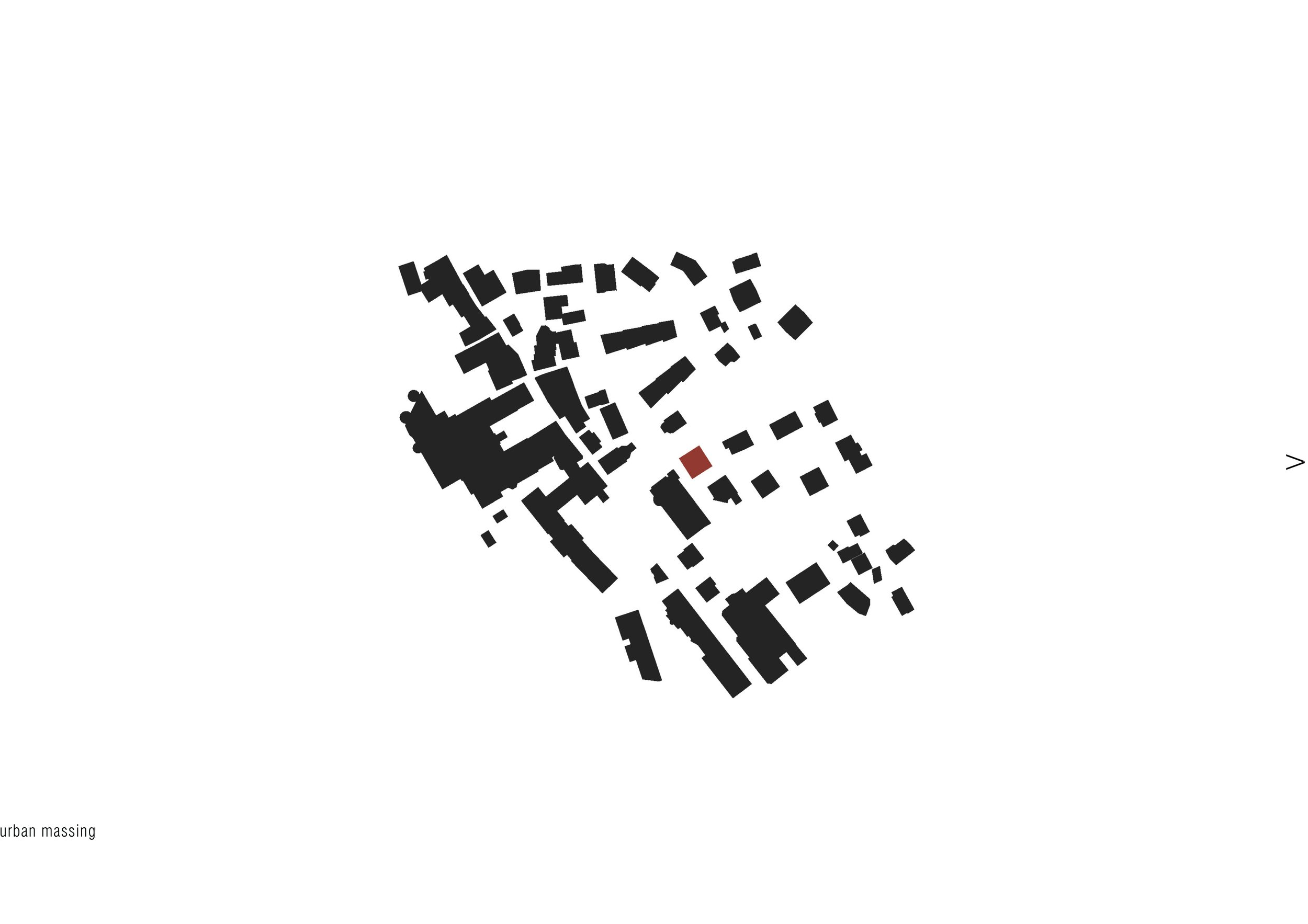
at the meeting point of the old village core, the hotel zone, and the hillside residential quarter, the municipality of Pontresina has allocated a site for the development of economically viable housing for local residents. located near the Rondo community center and the protestant church of San Niculò, the proposed residential building is designed as a morphological continuation of the existing village fabric.
how do we want to live?
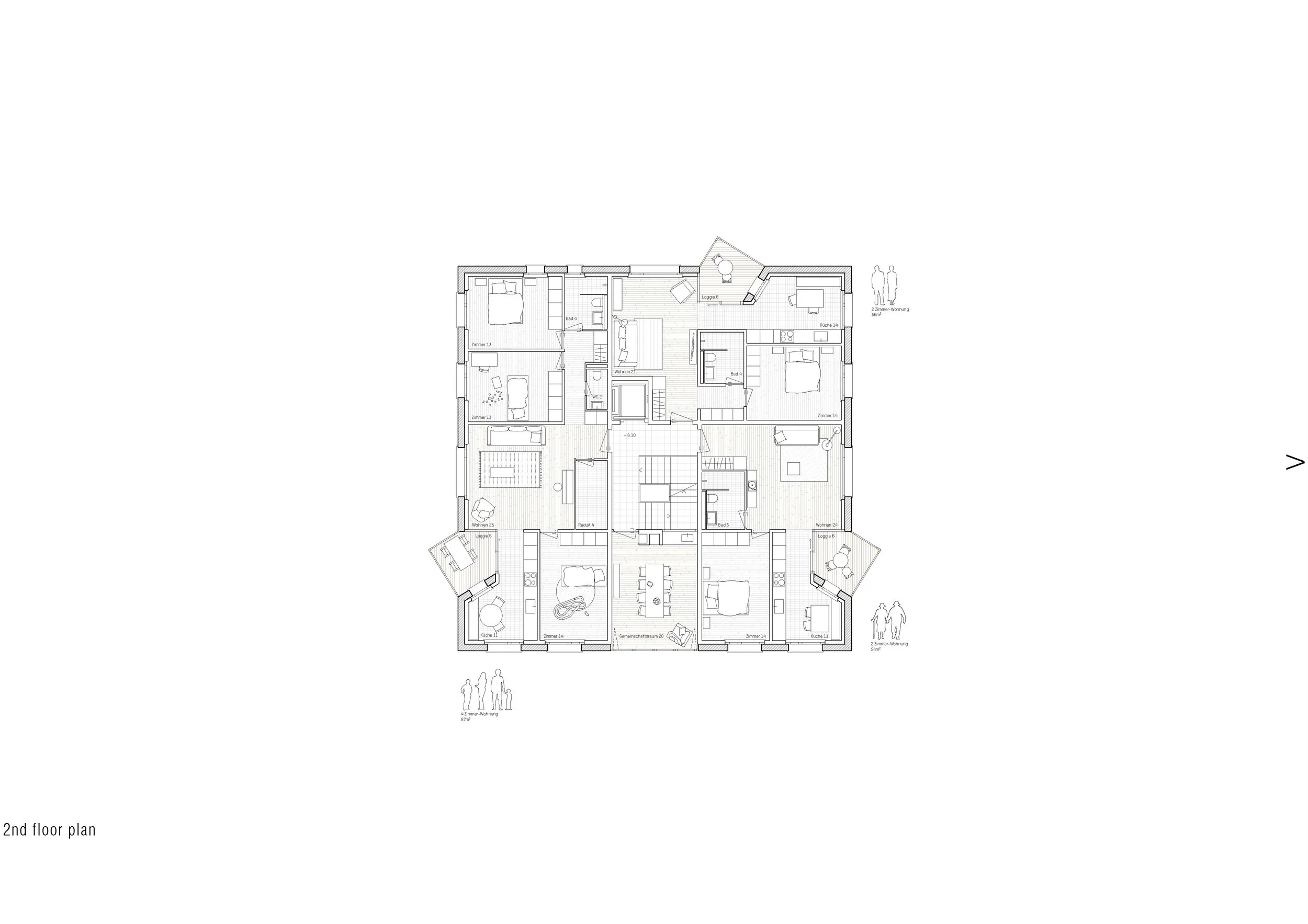
contemporary living is increasingly diverse, and housing—whether in apartments, individual homes, or villages such as Pontresina—must respond to this plurality. The new residential building addresses this reality through a variety of apartment sizes, accommodating different lifestyles while fostering a lively and diverse community.
Affordable housing should also be generous in spirit, offering flexibility and possibilities in daily life. Homes should allow for a clear distinction between living and dining areas, as well as between spaces for rest and work. community life is strengthened through shared areas located at the building’s core, on the ground floor, and in outdoor spaces. By integrating communal facilities, residents can develop a stronger sense of belonging to the building, the place, and the community.
landscape concept
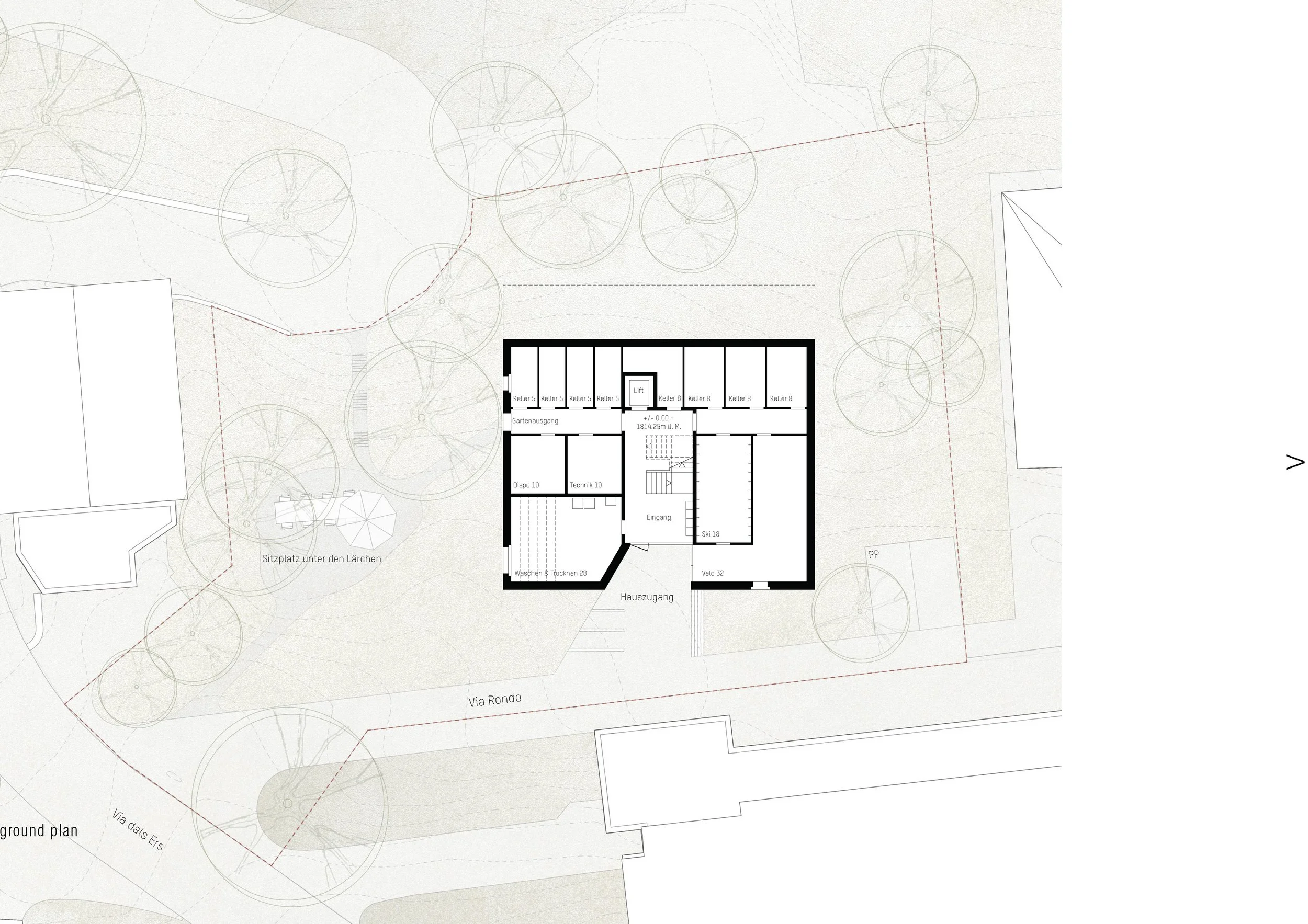
the landscape design responds to the existing topography, allowing the new building to settle naturally within its surroundings. pathways and the communal square beneath the larch trees are finished in bound gravel, blending with the landscape while expressing a restrained, natural material character.
The entrance is defined through clear pathway connections and a simple bench, yet remains intentionally understated, allowing the surrounding greenery to take prominence.
existing trees and shrubs are largely preserved, providing the structural framework that shapes the site’s character. selected native species, such as rowan and sea buckthorn, are strategically introduced to enhance both ecological quality and seasonal visual interest.
quality of living through spatial organization
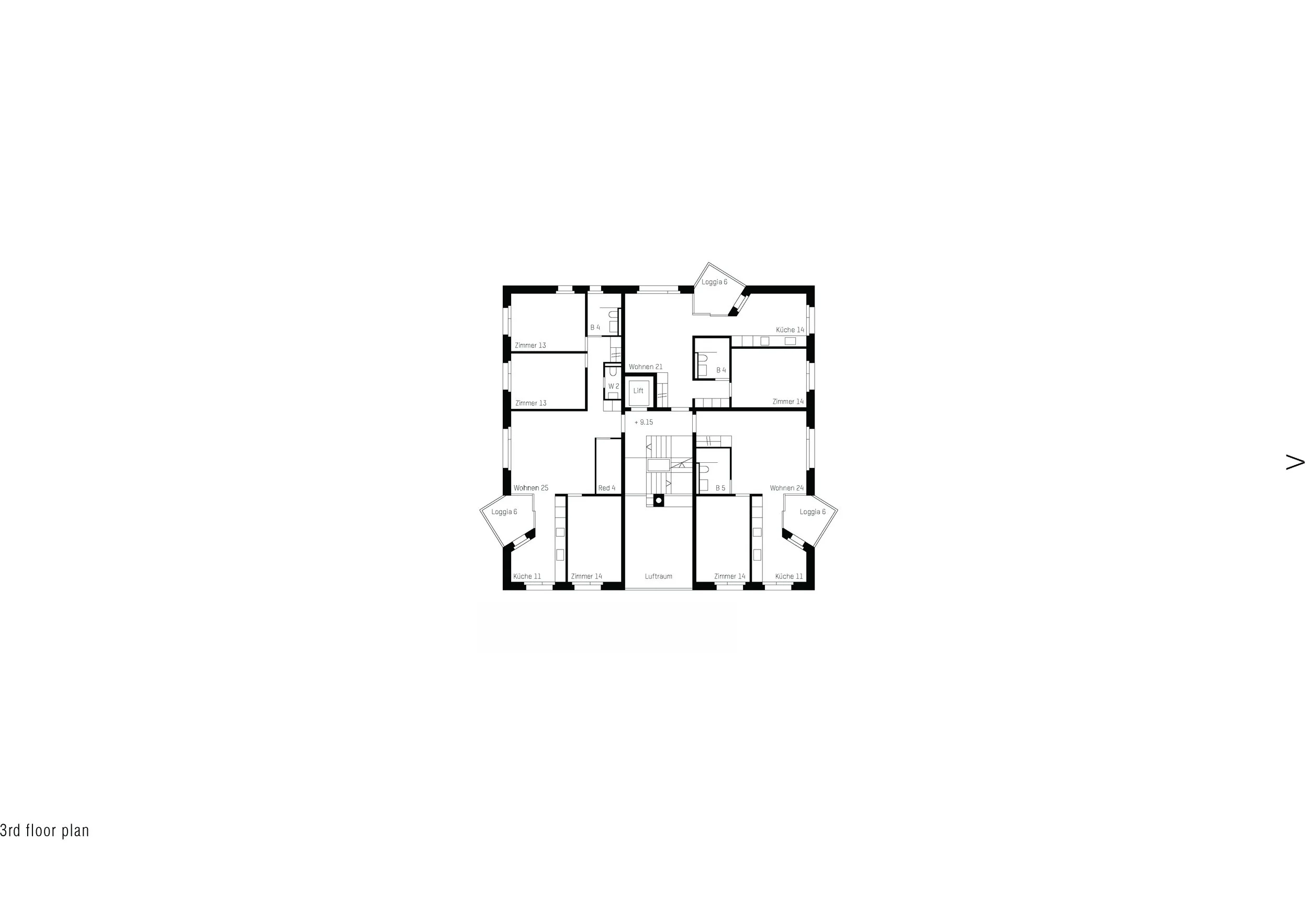
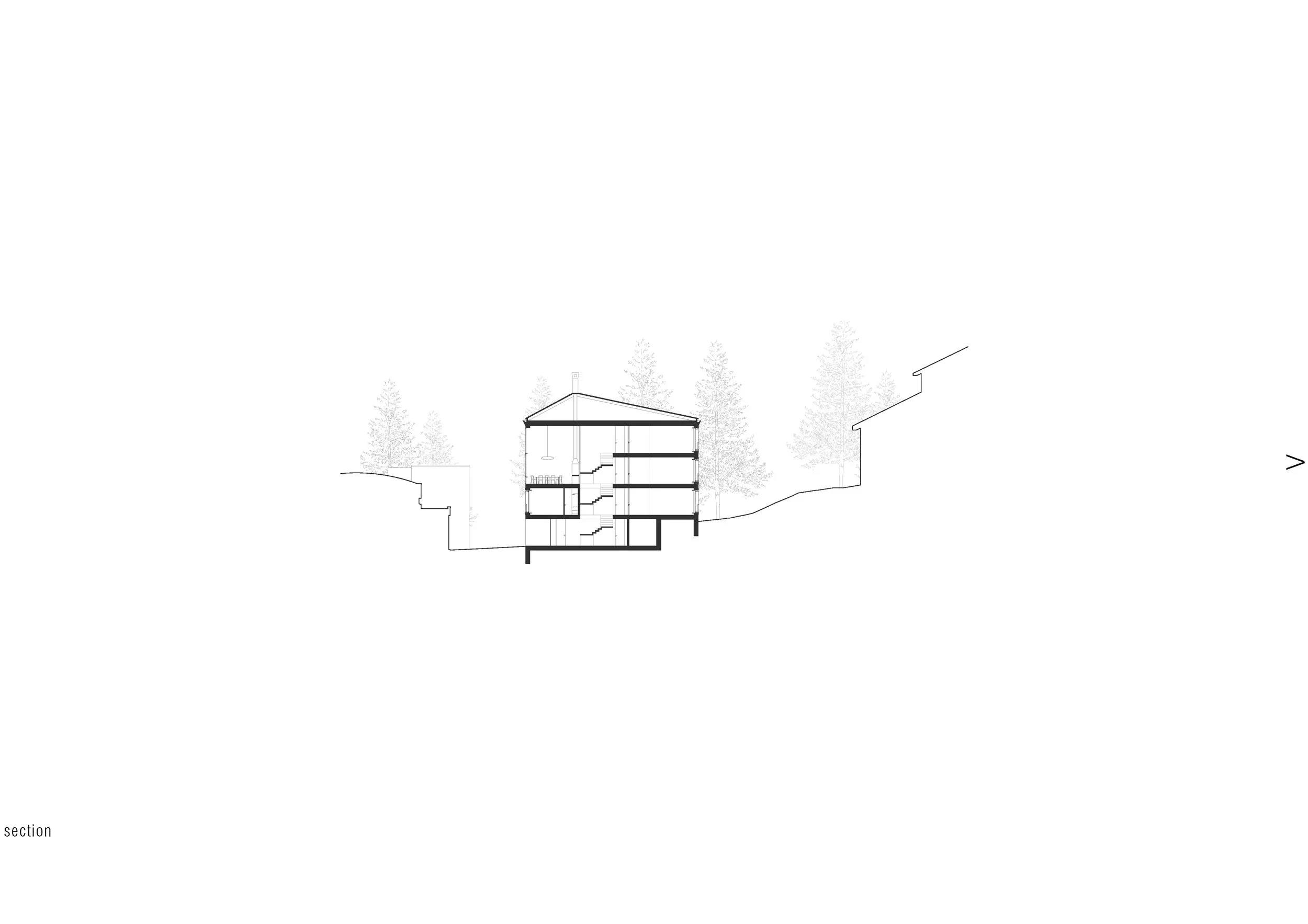
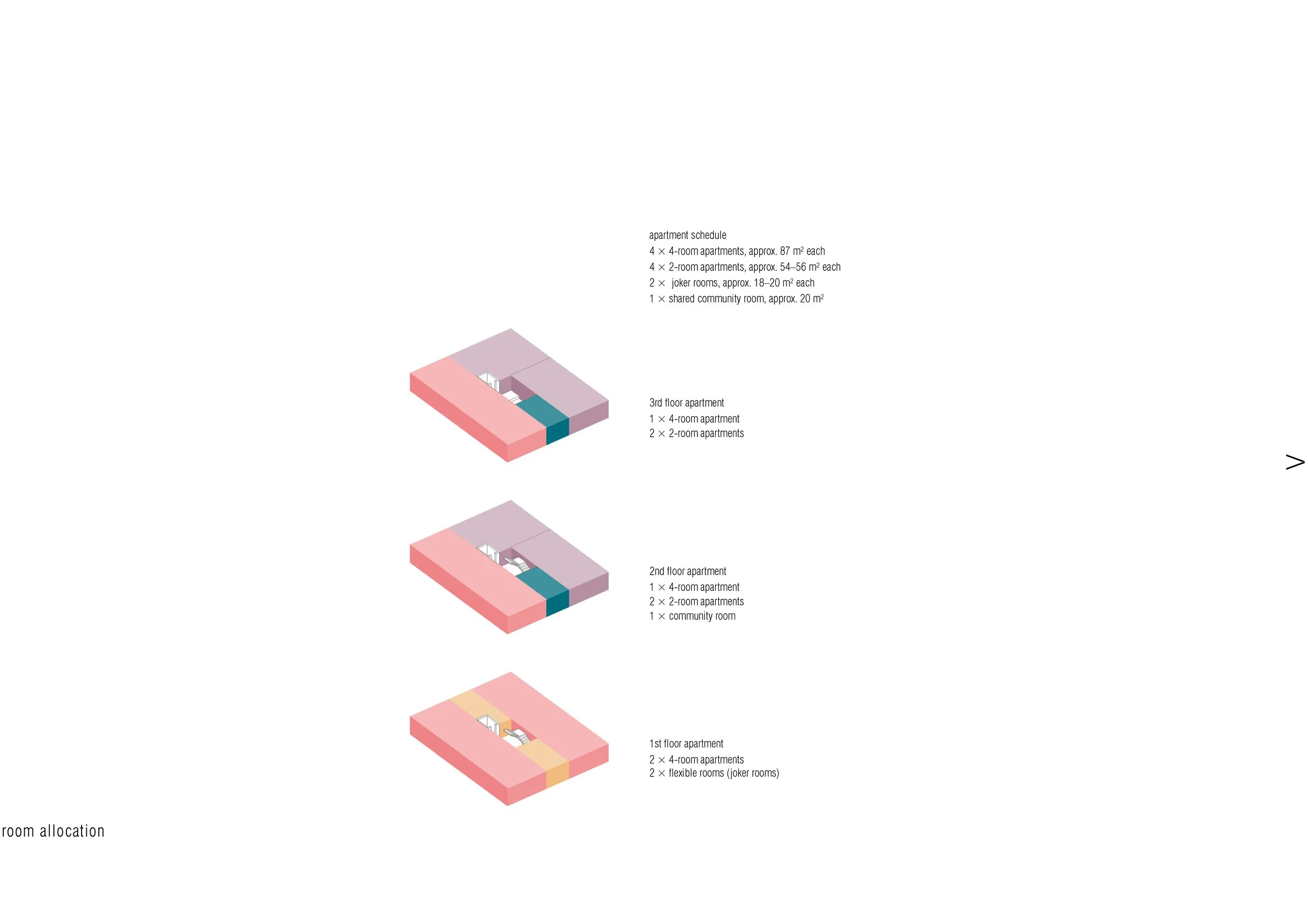
private and communal functions are united beneath a single roof. the ground floor, gently set into the terrain, accommodates all supplementary spaces for residents. laundry facilities, ski and bicycle storage, cellar units, and a utility room with a separate garden exit are organized around the central staircase, ensuring convenient access.
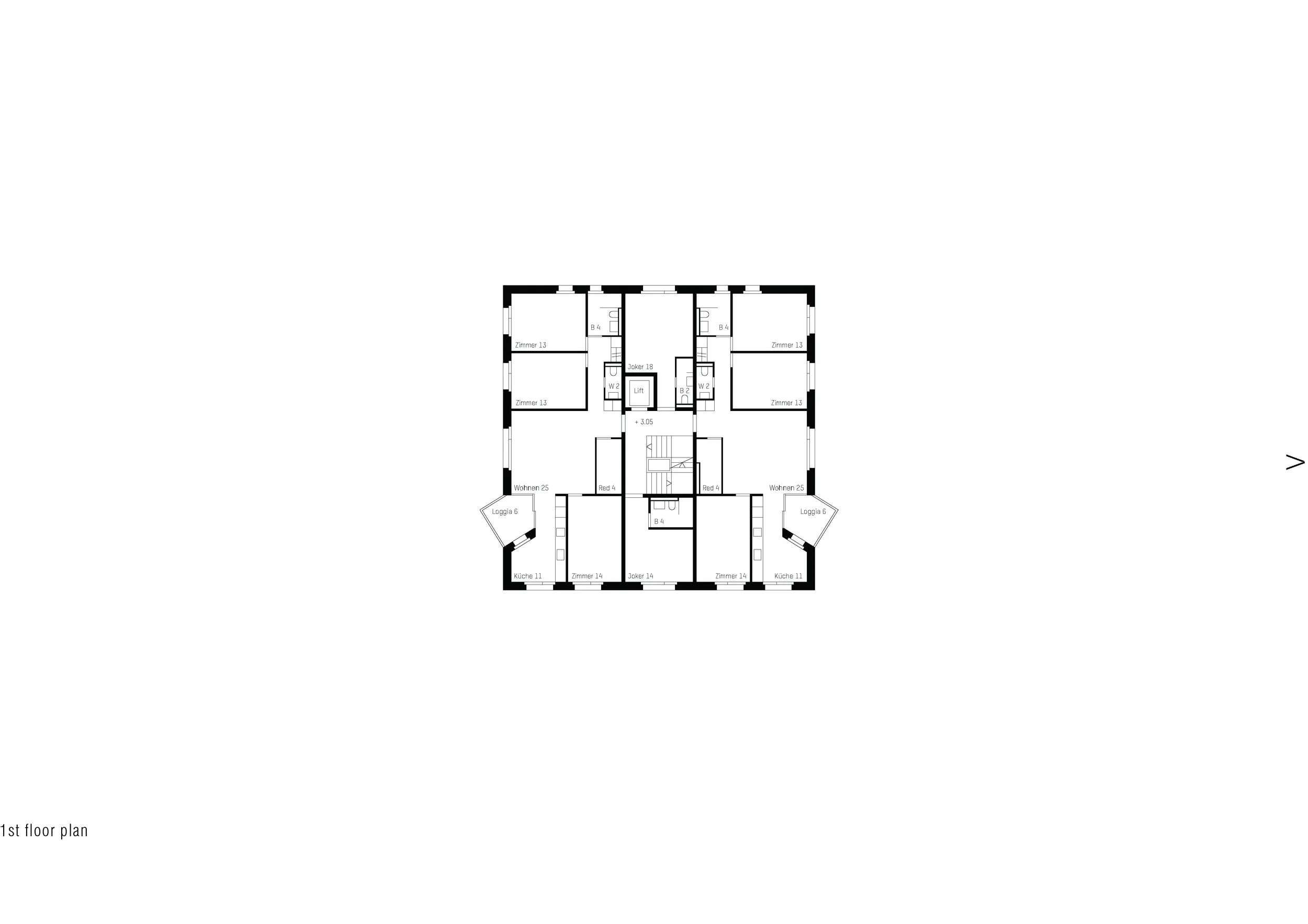
the apartments on the upper floors are designed with compact and efficient layouts. From a central living space, rooms and spatially separated kitchens extend toward the building’s corners, allowing two- to three-sided daylight exposure and enhancing spatial quality.
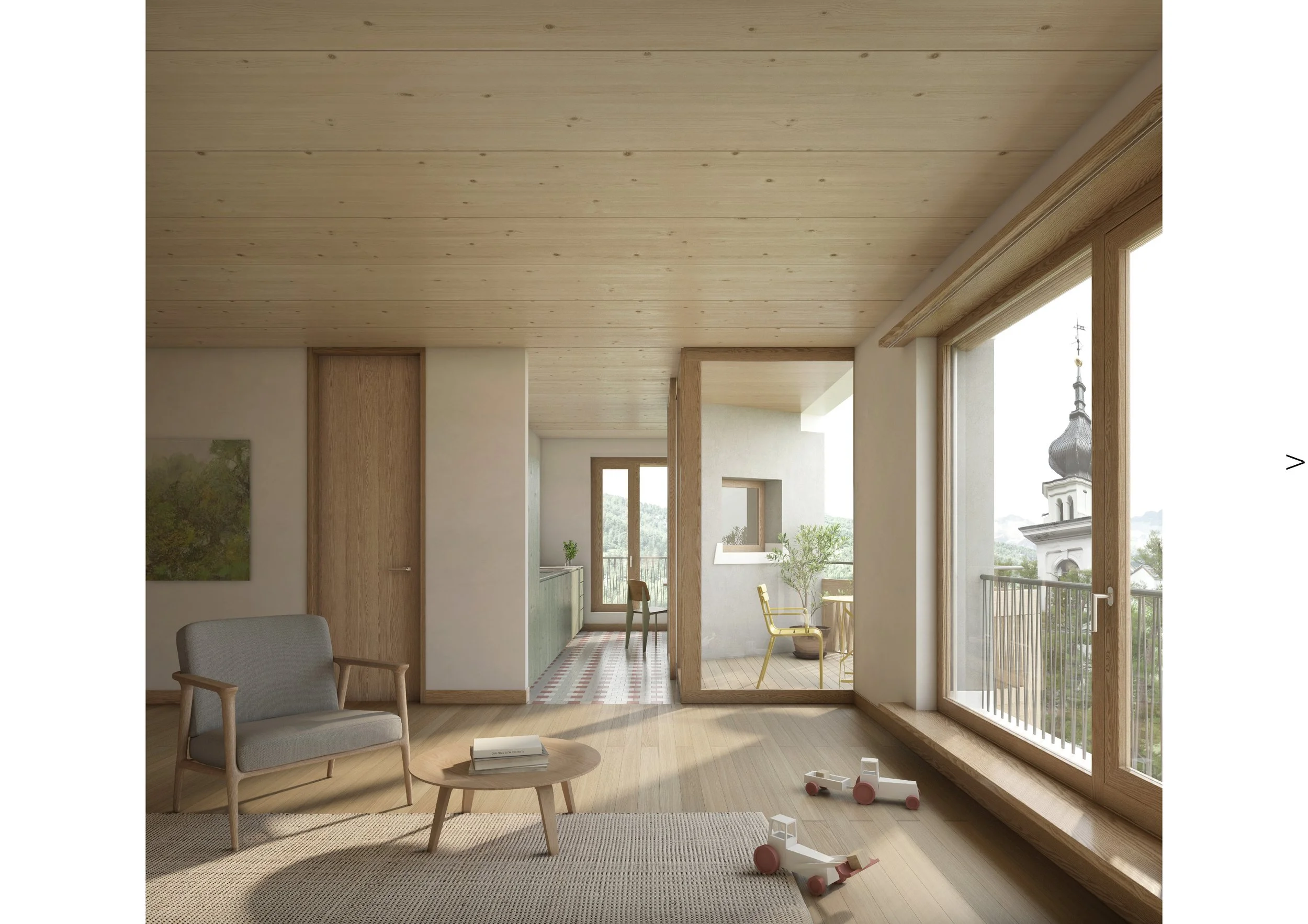
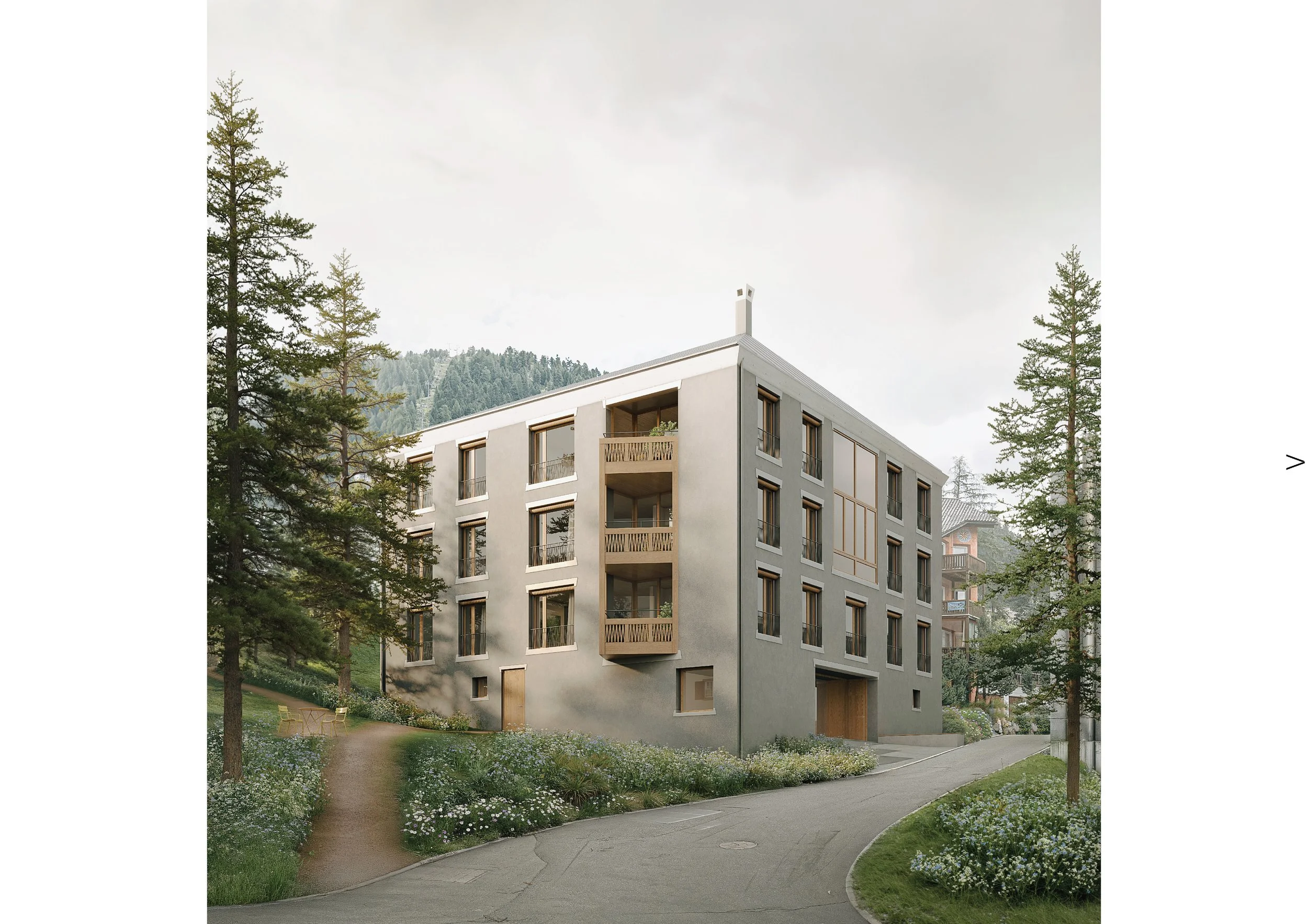
slightly projecting and subtly rotated loggias respond to varying orientations and views within the village context. Located between the living room and kitchen, they create wind-protected extensions of private outdoor space.
in contrast, a centrally positioned double-height communal space forms the social heart of the building. Visible and accessible from all apartment entrances through the open circulation system, this shared area encourages residents to gather, socialize, dine, play, and celebrate together.
material presence of the construction
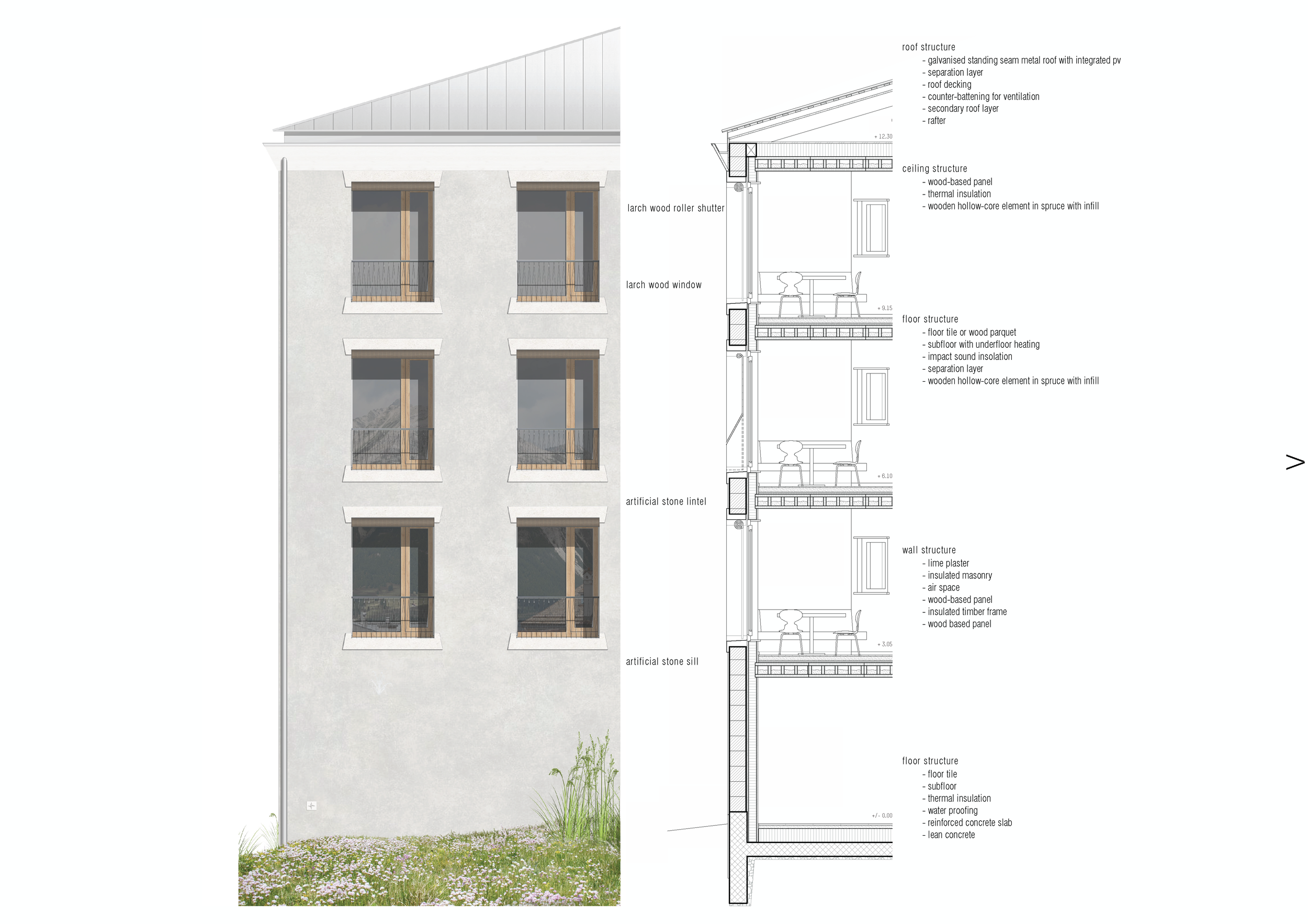
the hybrid structure, combining solid construction and timber, meets the goals of economic and ecological sustainability in both construction and long-term maintenance. Lime-plastered, thermally insulating masonry forms the outer “stone” layer and defines the building’s external character, while timber dominates the interior, shaping both structure and atmosphere.
The building envelope is detailed with a strong emphasis on sustainability, energy efficiency, durability, and ease of upkeep. A clear spatial organization informs the placement of openings: precisely positioned windows of varying sizes within the masonry and plastered façades establish a balanced horizontal and vertical rhythm. This composition lends the building both a tangible material presence and an abstract visual quality that changes with sunlight and time of day.
The residential building subtly echoes the historic Engadine house while creating a dialogue with its immediate surroundings in the historic center of Pontresina.
orientation and positioning
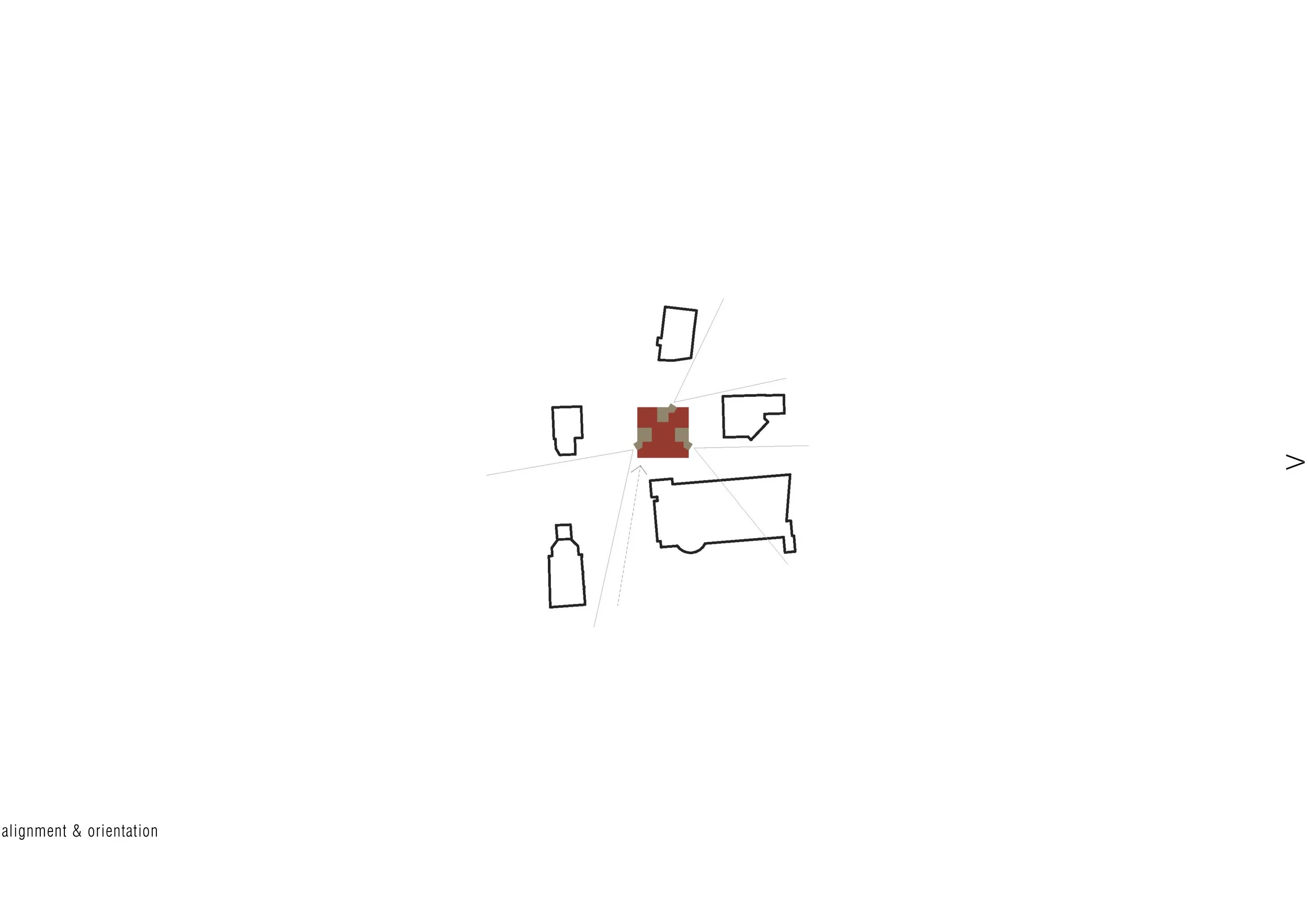
the residential building is slightly rotated and staggered in relation to the congress and cultural center Rondo, placing it modestly yet distinctly within the modern hillside residential quarter. Its western corner becomes visible from the main street between the church and the Rondo, marking its presence within the village fabric.
all apartments, with their main living areas and recessed loggias, are oriented away from the rear façade of the Rondo toward the village context, benefiting from the diverse qualities and orientations of the surrounding landscape.
spatial concept
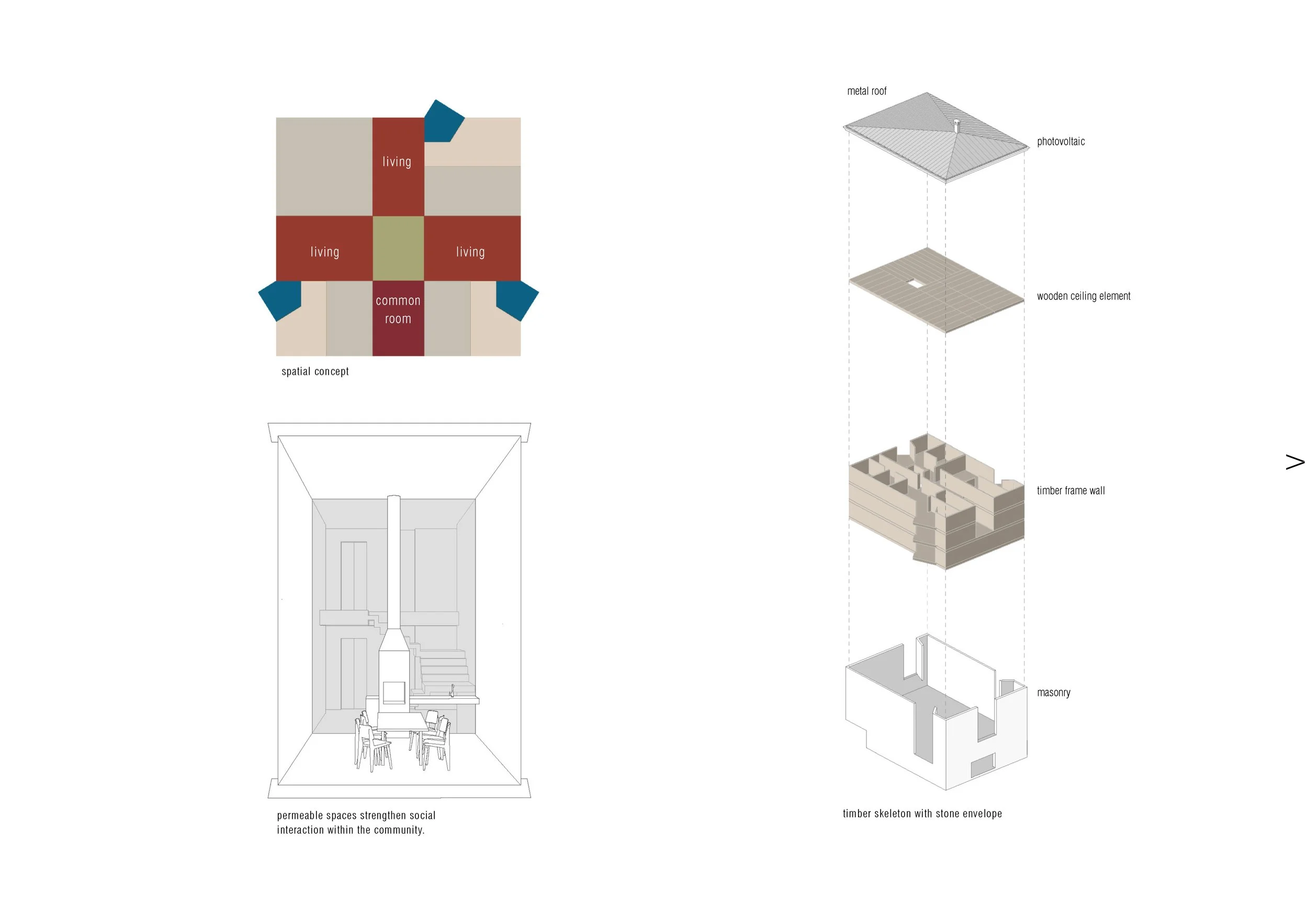
the spatial organization centers on an open staircase, conceived as a multi-story “soul space.” from this core, apartments, flexible “joker” rooms, and a double-height communal space extend in a cross-shaped layout toward all four sides of the building, ensuring clarity and connectivity.
permeable spaces foster social interaction
social life emerges where spaces allow it. a double-height communal room, positioned between circulation and outdoor areas, becomes a shared gathering space where residents can meet, connect, and build community. facing southwest and equipped with a wood stove, the room acts as a climatic buffer—capturing the low winter sun while helping prevent overheating in summer.
timber frame with stone cloak
a prefabricated, self-supporting, thermally insulated masonry envelope encloses the internal timber structure that defines the spatial experience. Slender timber ceiling elements span the rooms, while vertical loads are transferred directly to the floor slab through insulated timber frame elements along the interior façades and through apartment partition walls.
the roof is conceived as a simple rafter construction functioning as a cold roof. an asymmetrical tent roof clad in galvanized standing-seam metal, integrated with photovoltaic panels, forms the building’s durable external covering.